


Yoga can be a fun and playful way for young children to explore movement and discover what their bodies can do. Simple poses and movements encourage children to stretch, reach, bend, balance and hold different positions, helping to develop core strength, stability, balance, co-ordination and body awareness. During our yoga and me activity, children can… Continue reading Early years activity: Yoga and Me
Blog Tag: MyNDNA
Top tips: Sharing your vision

A clear vision gives everyone in your nursery a shared sense of purpose and direction. It helps your team understand not only what you want to achieve for children and families, but why it matters. When practitioners understand and feel part of the vision, it is more likely to be reflected in everyday interactions, decision-making… Continue reading Top tips: Sharing your vision
Top tips: Having difficult conversations

Difficult conversations are an inevitable part of managing an early years setting. Whether discussing development, behaviour, attendance, well-being or a concern raised by a parent, the aim should always be to keep the child at the centre while maintaining a positive partnership with families. Top tips for having difficult conversations Remember: A difficult conversation doesn’t… Continue reading Top tips: Having difficult conversations
Early years activity: Sensory harvest tray

This sensory harvest tray activity is a wonderful way for babies and young children to explore the sights, smells, textures and sounds of autumn. Using a range of natural harvest-inspired materials, children can investigate at their own pace while developing their senses, curiosity, communication and physical skills through hands-on, playful exploration. Sensory harvest tray learning… Continue reading Early years activity: Sensory harvest tray
Early years activity: Mirror Faces
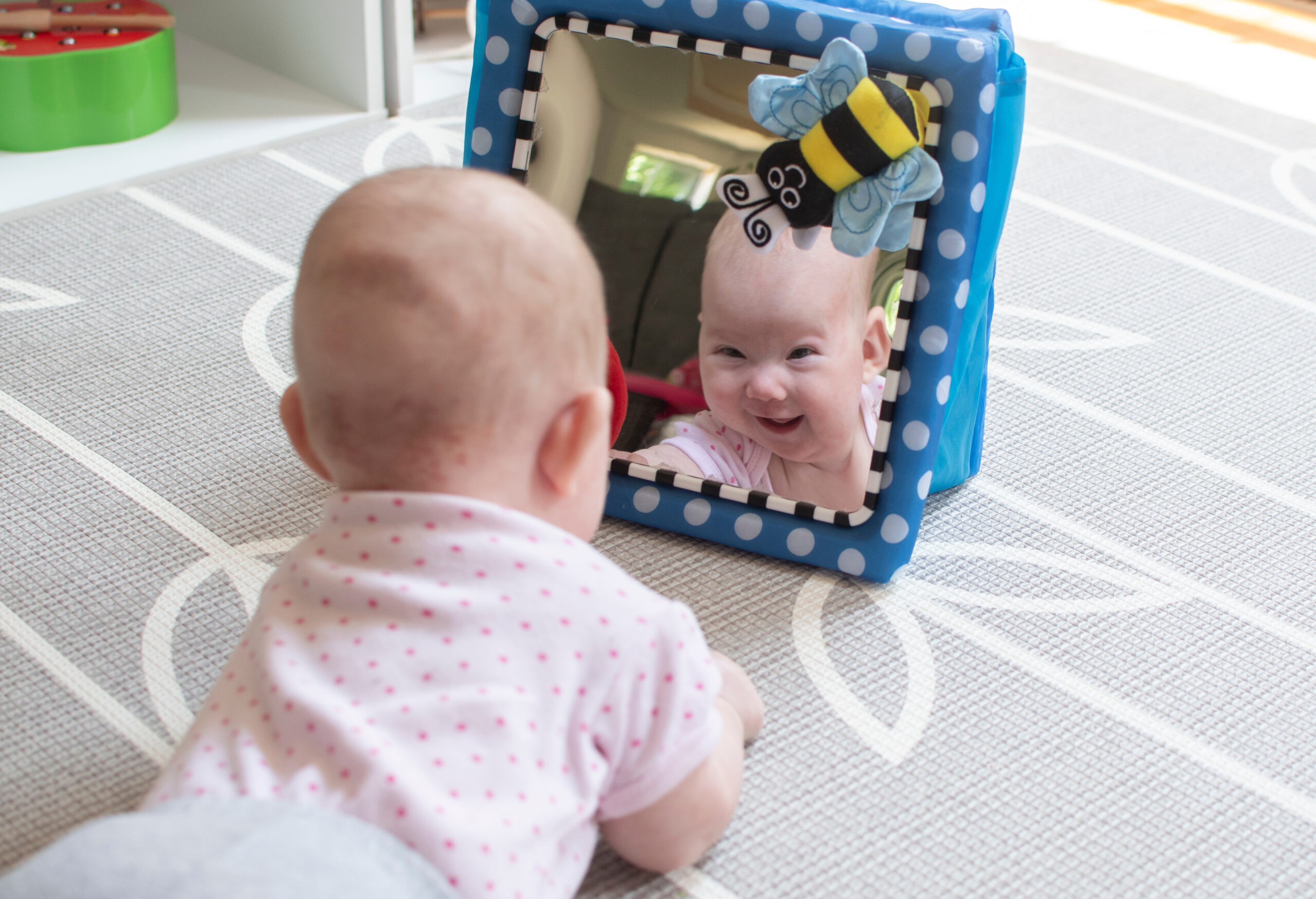
This simple activity which encourages children to explore their emotions and expressions through play. Using mirrors, children can observe their own faces, copy different expressions and begin to recognise how our faces can show how we are feeling. The activity also supports children’s confidence, communication and self-awareness in a playful and engaging way. Mirror faces… Continue reading Early years activity: Mirror Faces
Top tips: Encouraging reluctant teeth brushers

Toothbrushing can sometimes feel like a challenge, especially for young children who are still getting used to the routine. Nurseries can help make brushing a positive and enjoyable experience by keeping it playful, predictable and encouraging. Small changes and lots of positive reinforcement can help reluctant brushers develop healthy habits that support their oral health.… Continue reading Top tips: Encouraging reluctant teeth brushers
Early years activity: Repurposing and Recycling
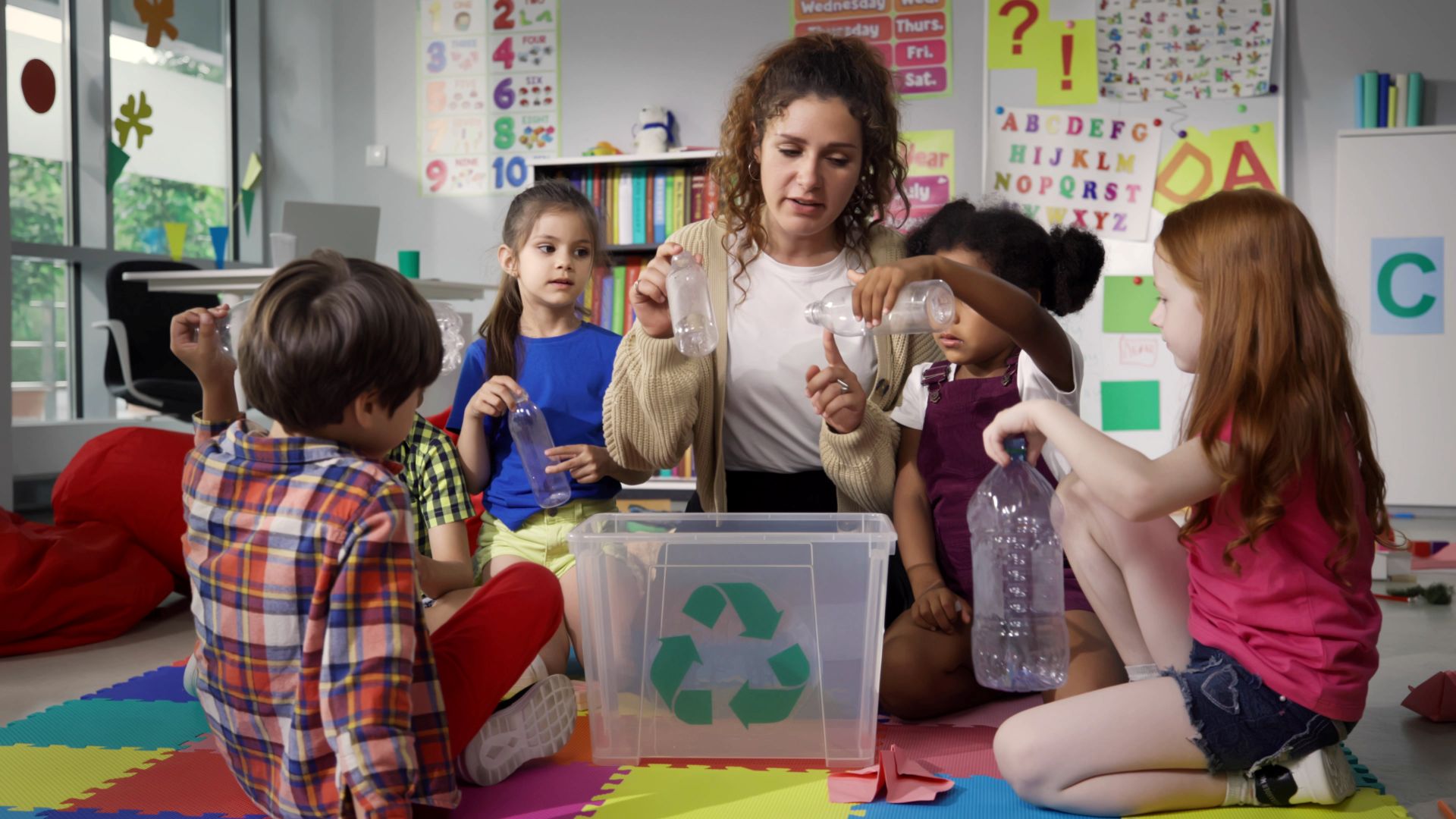
Teaching children about recycling will support them to develop environmentally friendly habits as they grow. This activity will challenge children to think about reusing and repurposing everyday items, encouraging them to think creatively about how objects can be given a new purpose rather than being thrown away. Repurposing and recycling learning aims Resources you will… Continue reading Early years activity: Repurposing and Recycling
Top tips: Celebrating difference

Every child is unique, and our differences are something to celebrate. Help children recognise and celebrate differences in positive ways, from hair and skin colour to languages, families, abilities, interests, cultures and traditions. Create an environment where children feel proud of who they are, see themselves reflected in their surroundings and learn to appreciate the… Continue reading Top tips: Celebrating difference
Early years activity: My hair and me

World Afro Day is a Global Day of Celebration and liberation for Afro hair. The day aims to challenge negative attitudes and help people understand and appreciate the diversity of Afro hair and identity. This my hair and me activity provides a wonderful opportunity to explore the idea that everyone’s hair is different, and every… Continue reading Early years activity: My hair and me
Top tips: Black History Month

Black history month arrives every October. What does it mean for educators working with under-fives? It means making sure every child sees themselves reflected in their environment and that difference is the interesting norm. October is a useful to prompt to check it’s happening throughout the year and these tips are to help you run… Continue reading Top tips: Black History Month
Early years activity: Carnival comes to nursery

The following activities are perfect for your celebration of Black history. Early preparations will ensure it’s well-planned, meaningful and understood by everyone. Children will have the opportunity to make instruments, feel the rhythm of the music and the pure joy of Black British carnival tradition. Carnival comes to nursery learning aims Resources you will need… Continue reading Early years activity: Carnival comes to nursery
Top tips: Inclusive Physical Storytelling
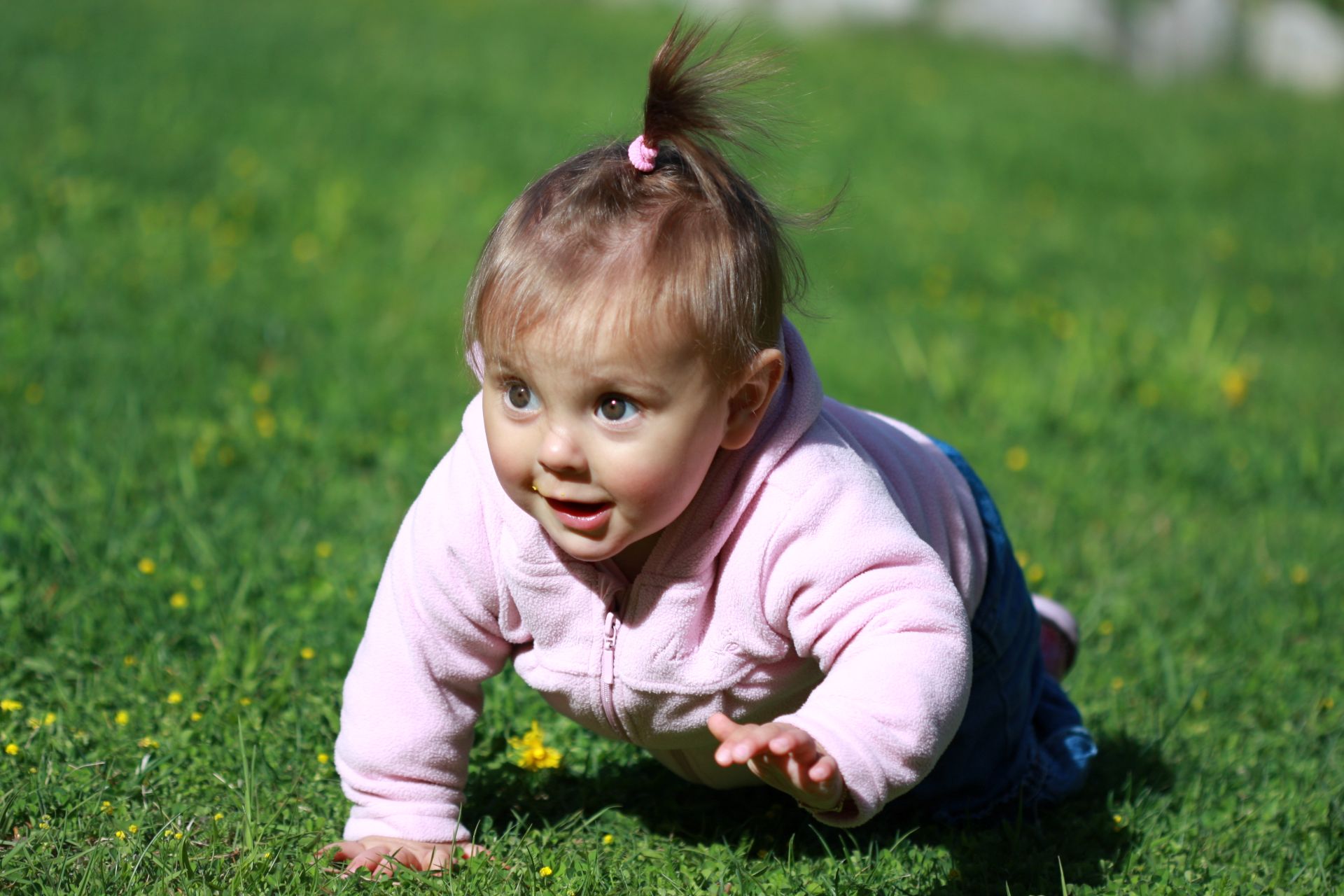
Storytelling is a wonderful way to engage young children, and physical storytelling makes the experience even more meaningful. By combining movement, imagination and language, physical storytelling encourages children to become active participants as they bring a story to life. Use our top tips below to help ensure every child can take part, feel included and… Continue reading Top tips: Inclusive Physical Storytelling
Early years activity: Outdoor Storytime
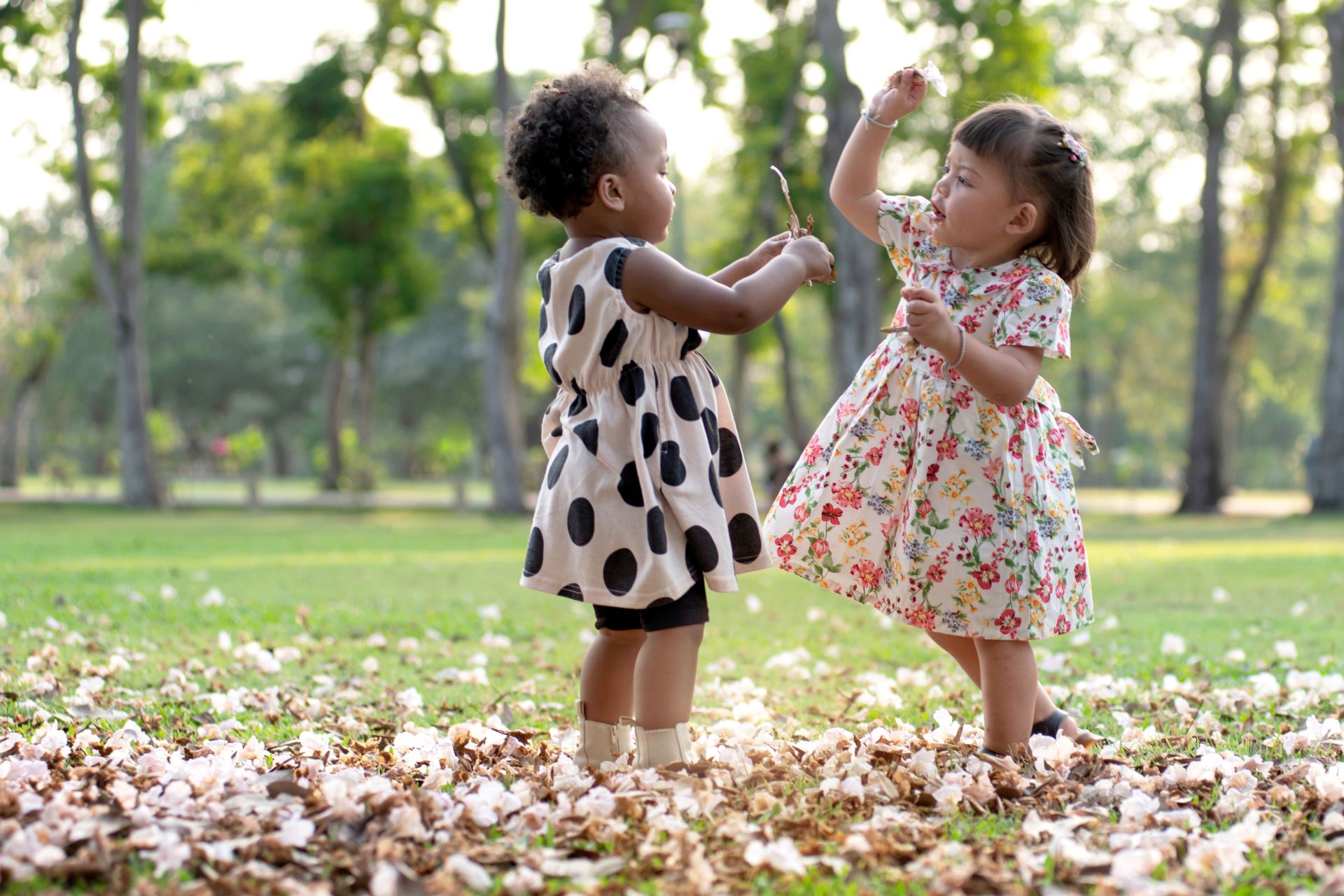
Storytime outdoors offers children a wonderful opportunity to combine literacy, physical activity and imaginative play. Taking a familiar story into the natural environment encourages children to become active participants rather than just listeners, inspiring them to explore, move, create and collaborate. By inventing their own version of We’re Going on a Bear Hunt, children develop… Continue reading Early years activity: Outdoor Storytime
Top tips: Safety in play
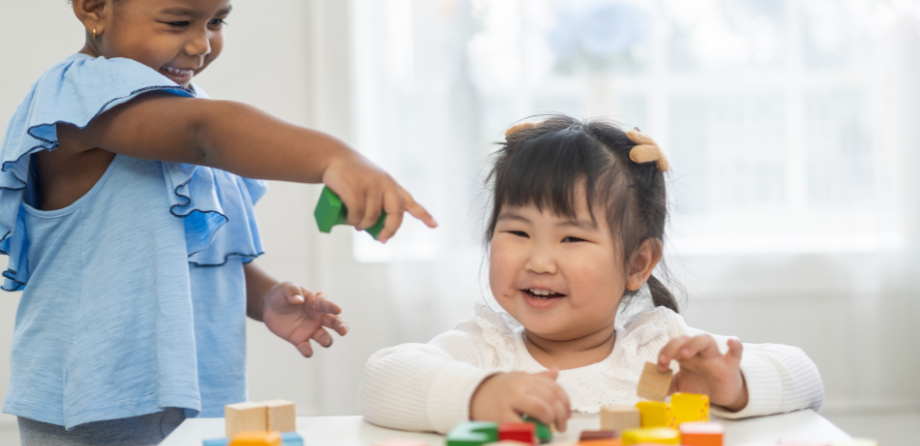
Providing a stimulating, safe environment enables children to explore, be curious and to learn and develop in an environment where the risk of harm is minimised. Review our top tips as part of your safety in play approach. Top tips for safety in play 1. Ensure appropriate supervision according to children’s age, stage of development… Continue reading Top tips: Safety in play
Early years activity: Friendship circle
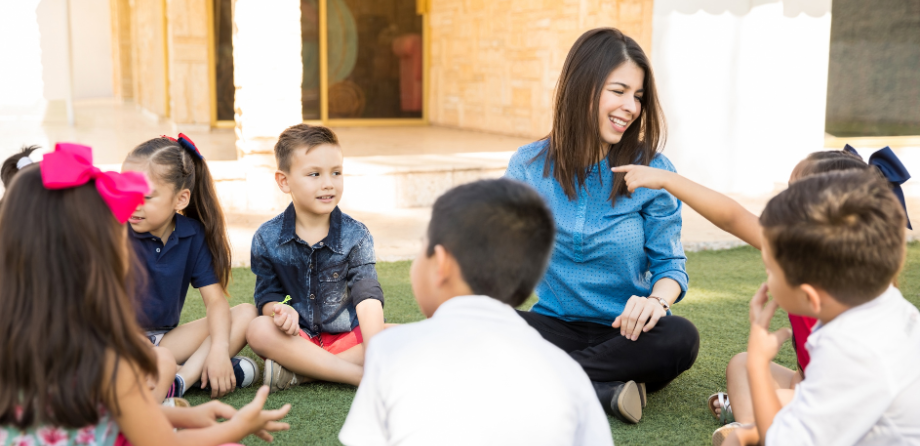
Practitioners play an important role in supporting children’s friendships, through creating inclusive environments, role modelling positive interactions and providing opportunities for children to socialise in varied peer groups. Learning how to be a good friend builds the foundations for future healthy relationships and confident socialisation, which supports positive mental well-being. Friendship circle learning aims Resources… Continue reading Early years activity: Friendship circle
Early years activity: Exploring our amazing planet with loose parts
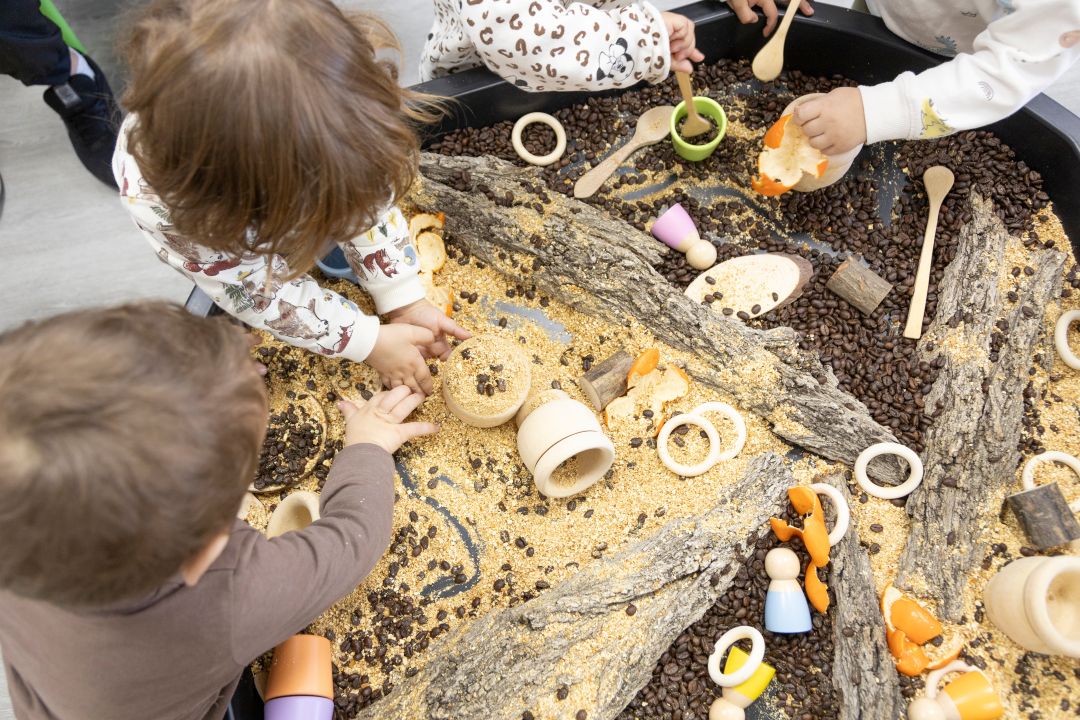
Children are naturally curious about the world around them, and open-ended play with loose parts provides endless opportunities for exploration, creativity and discovery. Our planet is full of fascinating environments, from lush rainforests and sandy deserts to icy polar regions and rocky coastlines. This activity introduces children to some of the diverse habitats found around… Continue reading Early years activity: Exploring our amazing planet with loose parts
Top tips: Process over product

We often praise the finished picture, model or block tower, but it’s the thinking and the changing ideas that builds real creative confidence. When we focus on the process rather than the product, children learn that ideas are worth exploring and testing and above all, valued. When engaged in creative activities with the children, keep these top tips in mind: Top tips for process over product NDNA products… Continue reading Top tips: Process over product
Early years activity: Making it up as we go
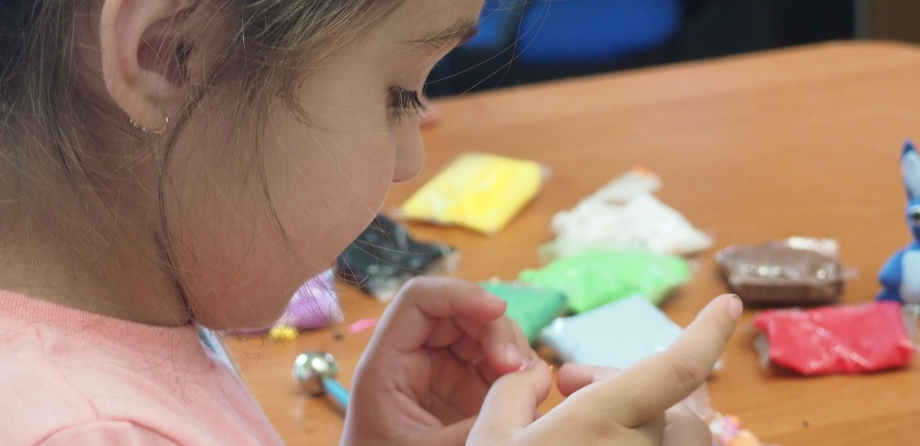
Here’s a creative activity that firmly puts process before product. Children explore loose parts and recyclables with only their curiosity and freedom to change their minds and no fixed outcome expected. Making it up as we go learning aims Resources you will need for this activity Making it up as we go activity outline How to extend this activity NDNA… Continue reading Early years activity: Making it up as we go
Early years activity: Beanbag play
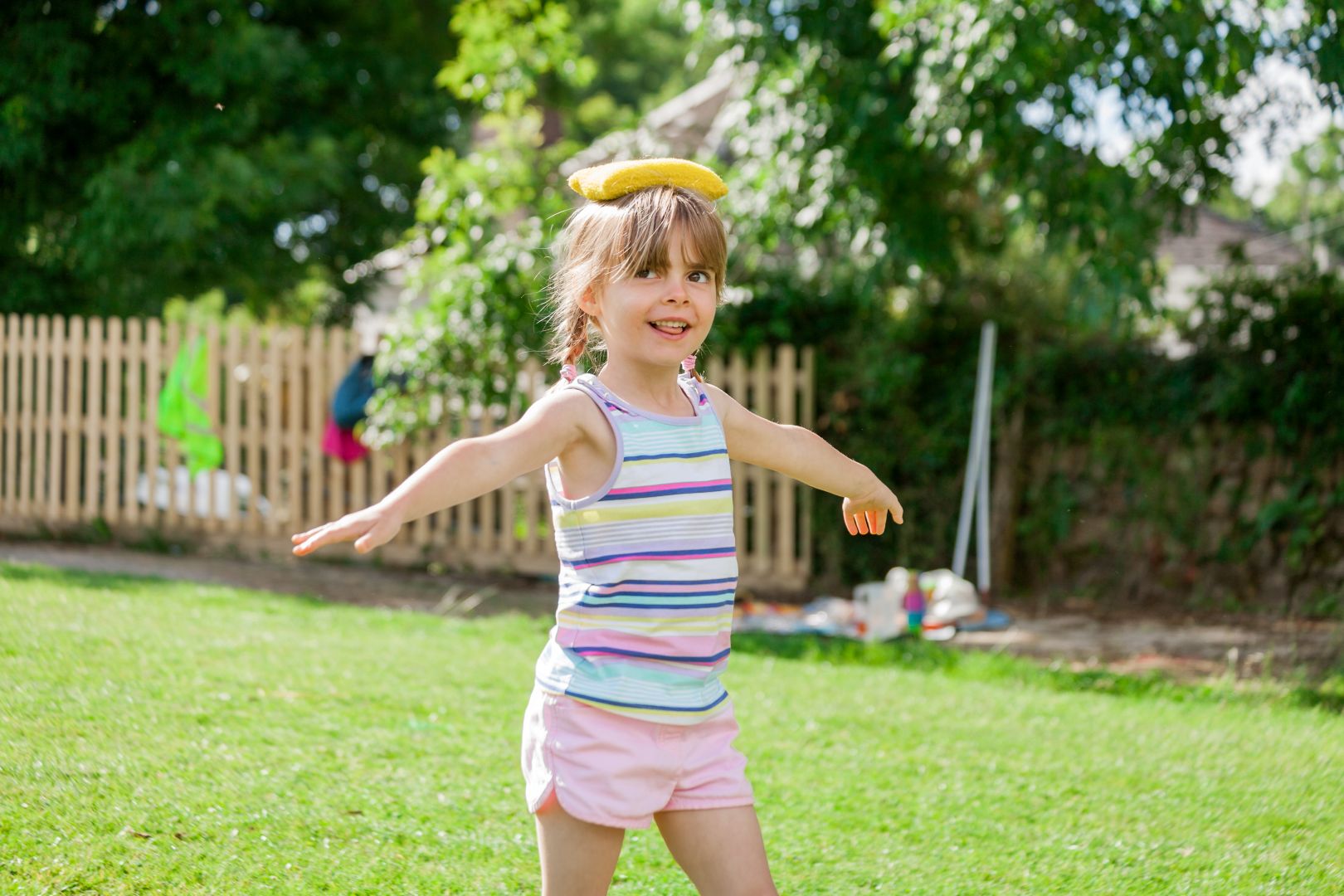
Physical activity is an essential part of children’s development, helping to build strength, coordination, balance and confidence while promoting a healthy lifestyle. These simple beanbag activities encourage active play through fun, engaging experiences. Beanbag play learning aims Resources you will need for this activity Beanbag play activity outline How to extend this activity You could redo each… Continue reading Early years activity: Beanbag play
Facilitating Child-Initiated Play

Child-initiated play is an essential part of early years practice, allowing children to explore, make choices, develop independence and follow their own interests. Practitioners play a key role in creating an environment where children feel confident to investigate, be creative and learn through meaningful experiences. Here are our top tips for facilitating effective, child initiated play. Child-initiated play top tips NDNA products… Continue reading Facilitating Child-Initiated Play