

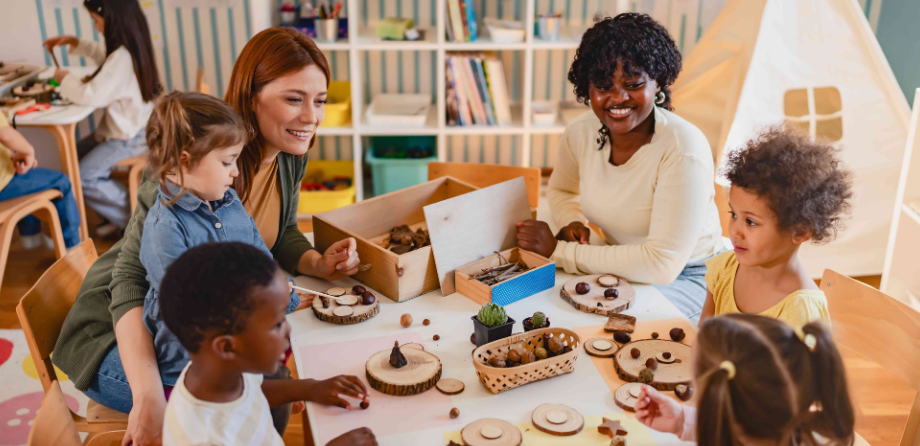
Creating a genuinely inclusive team doesn’t just happen. It requires nursery leaders to look honestly at the culture they are building, not only policies in the file, but the everyday moments that let each member of the team know they are valued and belong. The following tips are starting points for reflection and action. Top tips for inclusion starts here NDNA products… Continue reading Top tips: Inclusion starts here
Blog Tag: MyNDNA
Early years activity: Look what I can do

This July, we mark Disability Pride Month with a simple, sensory printing activity using paint and paper. Children make prints with their hands, feet, elbows, fingers, fists, feet, knees, choosing for themselves how their body meets the page. The resulting display celebrates the fact that there is no single right way for a body to work and that… Continue reading Early years activity: Look what I can do
Top tips: Encouraging curiosity and why it matters

Curiosity is one of the most important skills children can develop. Curious children are more confident learners, better problem-solvers and more engaged with the world around them. When children ask questions, explore and investigate, they are building the foundations for lifelong learning. Use our top tips to ensure children are encouraged to be curious both… Continue reading Top tips: Encouraging curiosity and why it matters
Minibeast and bug discovery early years activity

In this activity, children will become little explorers as they go on a minibeast and bug discovery adventure. Using magnifying glasses, they can closely observe the creatures they discover, encouraging curiosity, careful observation and early scientific thinking. The activity also helps children develop an appreciation of the natural world and promotes respect and care for living things. Learning activities What you’ll need… Continue reading Minibeast and bug discovery early years activity
Top tips: Free summer activity ideas for families

Summer can be a time when parents are looking for budget friendly ideas to entertain the family. Having fun doesn’t have to cost money, so why not create a list of fun, free activities for your families to enjoy, starting with the tips below. NDNA products to support you with this tip Early years parent partnerships: developing positive relationships with parents… Continue reading Top tips: Free summer activity ideas for families
Early years activity: Ball bonanza
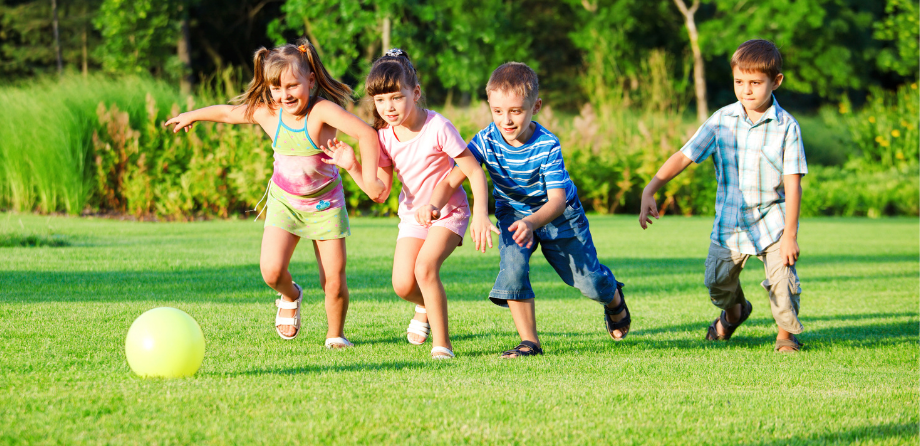
Physical activity is essential for good health and well-being and the activity ideas below are designed to support children’s gross and fine motor skills, balance, coordination and confidence through a range of high energy ball games, offering lots of fun. Ball bonanza learning aims Resources you will need for this activity See individual activities. Ball… Continue reading Early years activity: Ball bonanza
Top tips: Movement matters

Movement comes naturally to young children – they climb, spin, jump and wriggle their way through the world long before they can put any of it into words. However, understanding that movement is good for their overall well-being is something children learn gradually, through experience and through the language and attitudes of the adults around them. As a nursery practitioner, you are uniquely placed to… Continue reading Top tips: Movement matters
Early years activity: World Bee Day
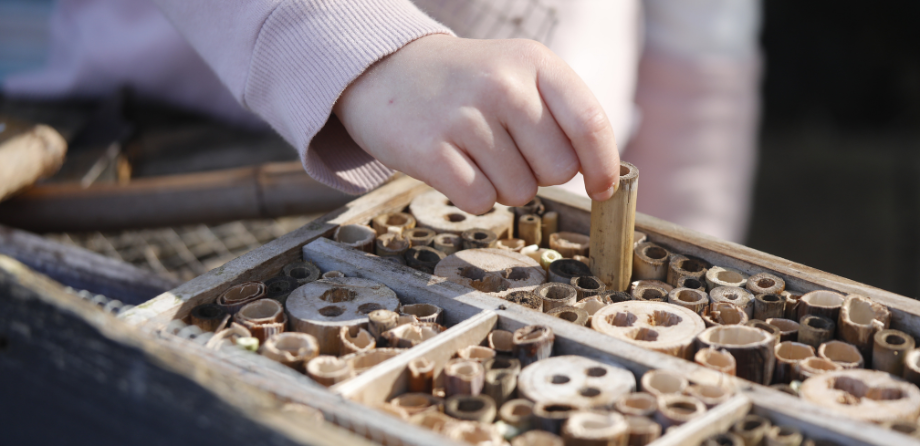
Celebrate World Bee Day with this meaningful activity. Children use natural and recycled materials to build their very own bee hotel – a safe, cosy shelter for bees to rest and nest. Through exploring, making and doing something real for nature, children begin to understand why bees matter and how even the smallest actions can make a huge difference. World Bee Day learning aims Resources you… Continue reading Early years activity: World Bee Day
Nursery healthy eating activity: Teddy Bears Picnic
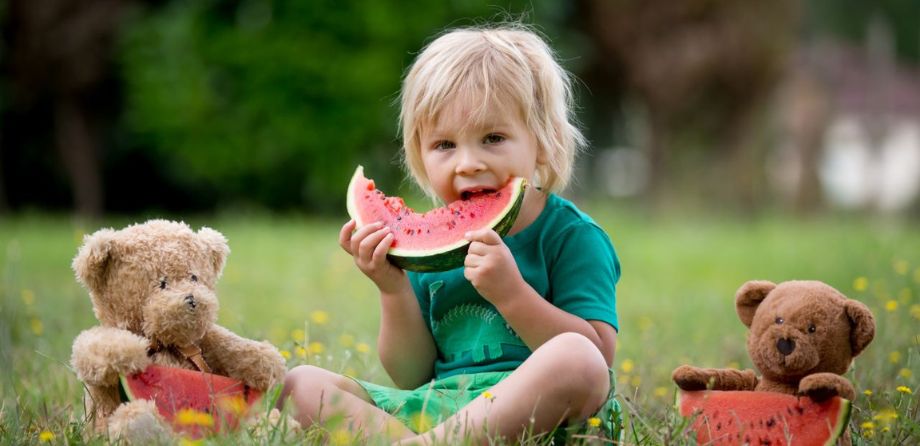
This fun and engaging activity encourages children to explore new foods, make choices and enjoy meaningful shared moments in a relaxed outdoor environment. Children are actively involved throughout the experience – choosing healthy foods, helping to prepare them and then enjoying their picnic together with friends and their teddies. Along the way, they develop communication and social skills,… Continue reading Nursery healthy eating activity: Teddy Bears Picnic
Using visual aids and prompts – Early Years Tips

Visual aids and prompts are valuable tools within the early years environment, supporting young children to understand routines, build confidence and develop independence. By providing clear and consistent visual support, practitioners can create a more inclusive and enabling environment where children feel secure and able to engage fully in nursery life. Although visual aids are particularly beneficial for… Continue reading Using visual aids and prompts – Early Years Tips
Tip tips: Supporting parents with healthy eating at home

Supporting families with healthy eating is an important part of promoting children’s overall well-being. By building positive relationships and sharing simple, achievable strategies, you can help parents feel more confident in creating healthy eating habits at home that work for them and their children. Top tips for supporting parents with healthy eating at home NDNA… Continue reading Tip tips: Supporting parents with healthy eating at home
Early years activity: Making a picture book together

This activity supports practitioners to create a special picture book by inviting children to draw their own ideas as part of a shared story. Adults are there to support each child with their picture and write down their words, helping to build language and confidence. All the pages are then put together into a book… Continue reading Early years activity: Making a picture book together
Top tips: Listening to and acting on the voice of the child

Providing meaningful opportunities for the voice of the child requires adults to genuinely listen, act upon what children are sharing and to teach children the power and importance of their own voice. Review our top tips below to assess your daily practice for including the voice of the child in your setting. Top tips for… Continue reading Top tips: Listening to and acting on the voice of the child
Early years activity: We’re Going on a Shape Hunt

Support children to develop positive attitudes and interests in mathematics through engaging activities to explore shape. Our activity takes children into their local community to identify shapes in a familiar environment. We’re Going on a Shape Hunt learning aims Resources you will need for this activity We’re Going on a Shape Hunt activity outline How… Continue reading Early years activity: We’re Going on a Shape Hunt
Top tips: Peer observations
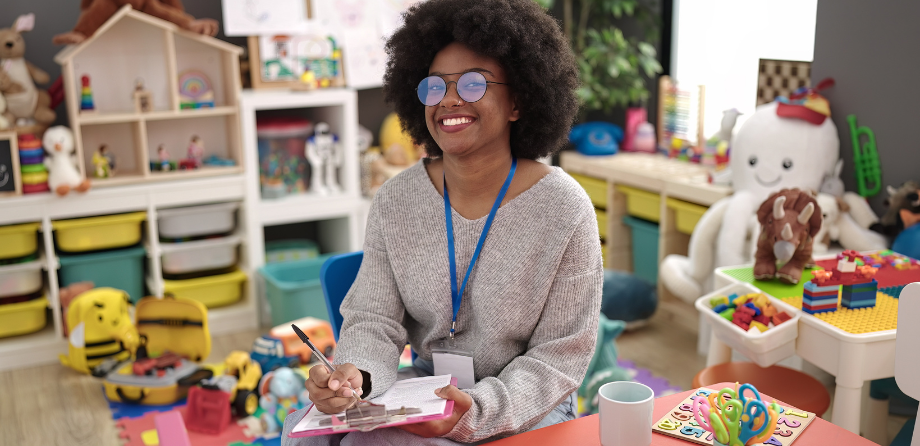
Peer observations are a valuable approach for developing a reflective and supportive culture that promotes high-quality practice. They provide opportunities for practitioners to learn from one another, share ideas and strengthen collaborative working. For leaders and managers, fostering the right environment is essential to ensure that peer observations are seen as purposeful and beneficial. When embedded effectively, they become… Continue reading Top tips: Peer observations
Early years activity: Nature inspired playdough exploration
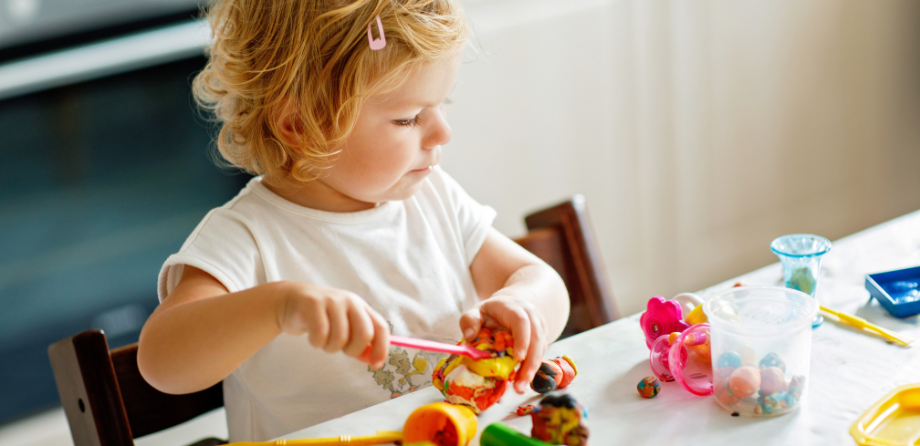
Playdough offers a rich sensory experience that nurtures creativity, imagination and fine motor development. Create an inviting space where children feel inspired to explore and engage in sensory play. This open-ended experience encourages children to experiment, create and express their ideas freely, supporting their curiosity and individuality. Nature inspired playdough exploration learning aims Resources you will need for… Continue reading Early years activity: Nature inspired playdough exploration
Top tips: Supporting parents with children’s dummy use

Dummies can be a helpful way to comfort and settle babies, especially in the early months. However, as children grow, it’s important to balance dummy use with lots of opportunities to talk, listen and interact. These tips will help staff to support parents to make confident, informed decisions about when and how to use a dummy and how to reduce reliance on… Continue reading Top tips: Supporting parents with children’s dummy use
Early years activity: Caring for our planet
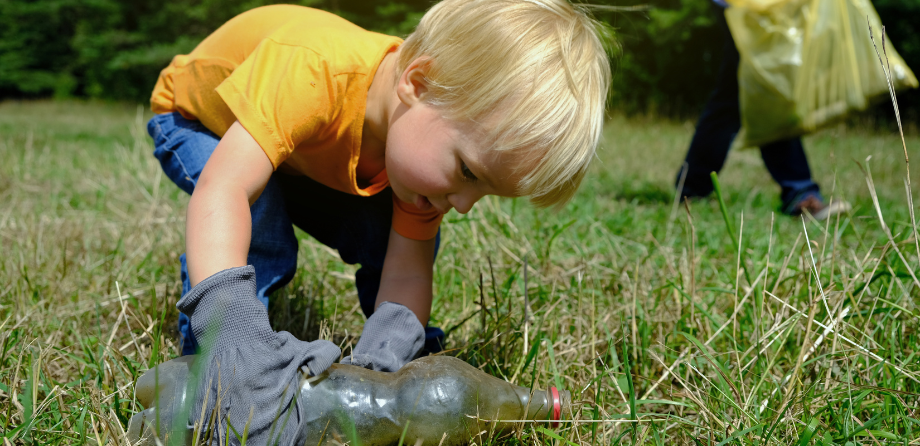
This sensory play activity provides young children with a hands-on opportunity to explore caring for the environment. Through imaginative play, children are introduced to the idea that oceans can become polluted and that they can help to make a difference. The activity encourages curiosity, cooperation and early awareness of looking after the world around them in a simple and… Continue reading Early years activity: Caring for our planet
Early years activity: Gardening Week – Supporting Communication and Language
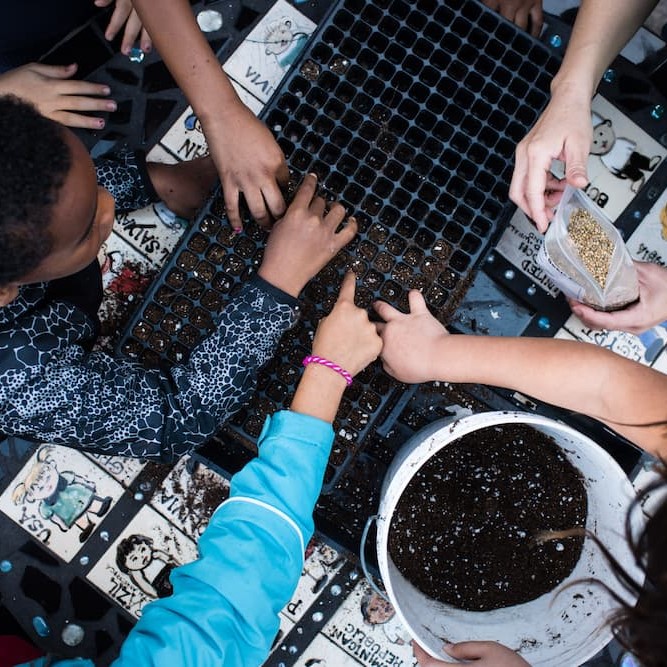
Gardening week is a wonderful opportunity to support children’s communication and language as they take part in a range of sensory activities in both the natural outdoor environment and indoor environments. Learning aims Resources Activity outline Extension ideas Create a small flower garden, either in pots or in a section of your outdoor space. Encourage children to take responsibility… Continue reading Early years activity: Gardening Week – Supporting Communication and Language
Top tips: Cultivating Curiosity through Gardening
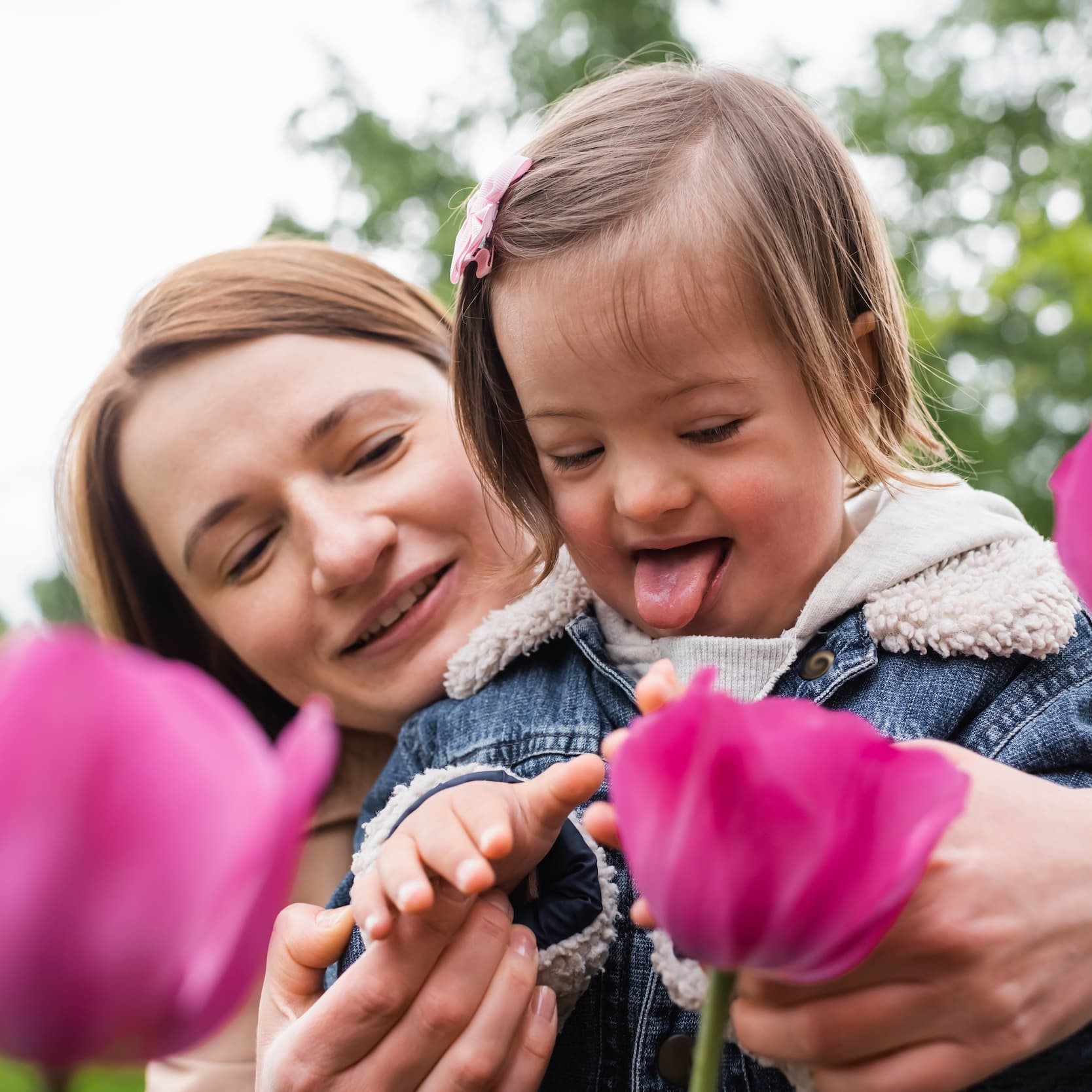
There are numerous benefits of involving children in gardening experiences, including access to the natural environment, sensory rich activities, working together, promoting curiosity and observing cause and effect. NDNA products to support you with this activity Disclaimer: Activities with children must always be risk assessed, including for allergies or choking. Children must always have… Continue reading Top tips: Cultivating Curiosity through Gardening