


Yoga can be a fun and playful way for young children to explore movement and discover what their bodies can do. Simple poses and movements encourage children to stretch, reach, bend, balance and hold different positions, helping to develop core strength, stability, balance, co-ordination and body awareness. During our yoga and me activity, children can… Continue reading Early years activity: Yoga and Me
Regions: All
Top tips: Sharing your vision

A clear vision gives everyone in your nursery a shared sense of purpose and direction. It helps your team understand not only what you want to achieve for children and families, but why it matters. When practitioners understand and feel part of the vision, it is more likely to be reflected in everyday interactions, decision-making… Continue reading Top tips: Sharing your vision
Benedict’s Law

Benedict’s Law is a set of national measures designed to improve allergy safety in schools. Currently, these measures apply to schools in England, while campaigning continues to extend into Wales, Scotland and Northern Ireland. The aim is to ensure schools have the policies, training, information and emergency medication they need to recognise and respond quickly… Continue reading Benedict’s Law
Top tips: Having difficult conversations

Difficult conversations are an inevitable part of managing an early years setting. Whether discussing development, behaviour, attendance, well-being or a concern raised by a parent, the aim should always be to keep the child at the centre while maintaining a positive partnership with families. Top tips for having difficult conversations Remember: A difficult conversation doesn’t… Continue reading Top tips: Having difficult conversations
Early years activity: Sensory harvest tray

This sensory harvest tray activity is a wonderful way for babies and young children to explore the sights, smells, textures and sounds of autumn. Using a range of natural harvest-inspired materials, children can investigate at their own pace while developing their senses, curiosity, communication and physical skills through hands-on, playful exploration. Sensory harvest tray learning… Continue reading Early years activity: Sensory harvest tray
Early years activity: Mirror Faces
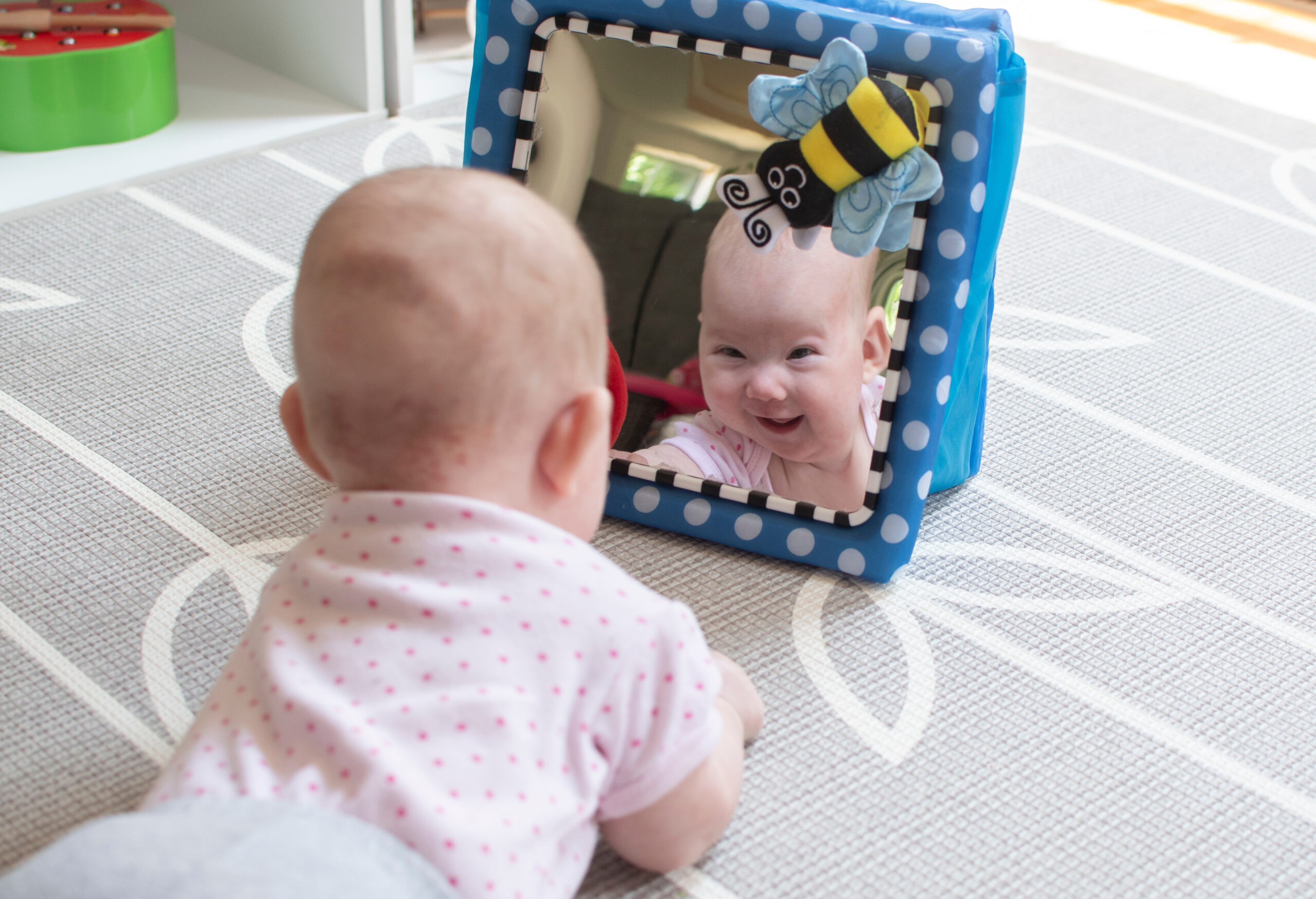
This simple activity which encourages children to explore their emotions and expressions through play. Using mirrors, children can observe their own faces, copy different expressions and begin to recognise how our faces can show how we are feeling. The activity also supports children’s confidence, communication and self-awareness in a playful and engaging way. Mirror faces… Continue reading Early years activity: Mirror Faces
Top tips: Encouraging reluctant teeth brushers

Toothbrushing can sometimes feel like a challenge, especially for young children who are still getting used to the routine. Nurseries can help make brushing a positive and enjoyable experience by keeping it playful, predictable and encouraging. Small changes and lots of positive reinforcement can help reluctant brushers develop healthy habits that support their oral health.… Continue reading Top tips: Encouraging reluctant teeth brushers
Tim and Stella celebrate Millie’s Mark’s 10th anniversary at Smarties Nursery
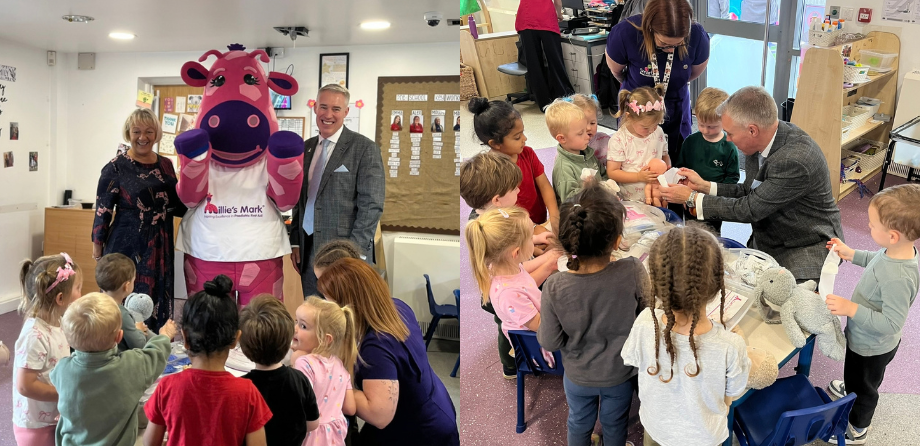
Today (Thursday 24 September) we celebrate a milestone for Millie’s Mark, the gold standard in paediatric first aid. Our Director of Quality and Training, Stella Ziolkowski and I visited Smarties Nursery in Rastrick, West Yorkshire to meet their staff and children. Smarties like many other nurseries across the UK benefit from holding the Millie’s Mark… Continue reading Tim and Stella celebrate Millie’s Mark’s 10th anniversary at Smarties Nursery
Early years activity: Repurposing and Recycling
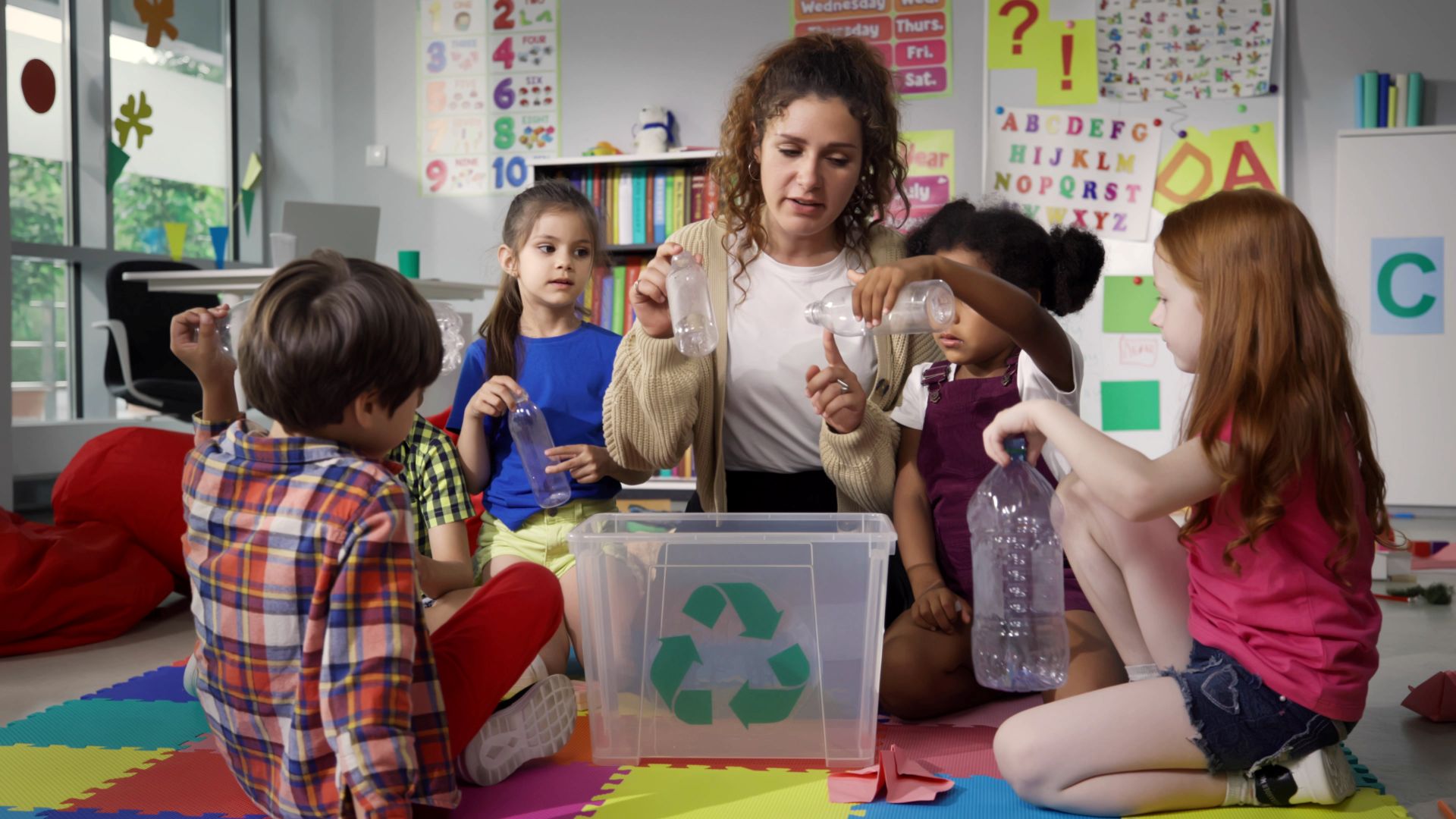
Teaching children about recycling will support them to develop environmentally friendly habits as they grow. This activity will challenge children to think about reusing and repurposing everyday items, encouraging them to think creatively about how objects can be given a new purpose rather than being thrown away. Repurposing and recycling learning aims Resources you will… Continue reading Early years activity: Repurposing and Recycling
Gold standard in paediatric accreditation Millie’s Mark celebrates 10th anniversary

Early years accreditation Millie’s Mark, the gold standard in paediatric first aid, celebrates ten years of keeping children safer later this month, supporting around 250,000 children in nurseries across the UK. Millie’s Mark – founded by first aid charity Millie’s Trust and administered by National Day Nurseries Association (NDNA) – was launched in September 2016… Continue reading Gold standard in paediatric accreditation Millie’s Mark celebrates 10th anniversary
Ahead of the Budget NDNA submits evidence for more support for PVI nurseries
NDNA has submitted evidence to the Government, Treasury and ministers from the Department for Education that more needs to be done to support the PVI nursery sector. Private, voluntary and independent (PVI) nurseries deliver the vast majority of childcare places across England and yet the Department for Education continues to invest more in school-based provision.… Continue reading Ahead of the Budget NDNA submits evidence for more support for PVI nurseries
PISA report: mixed picture across the UK for educational outcomes
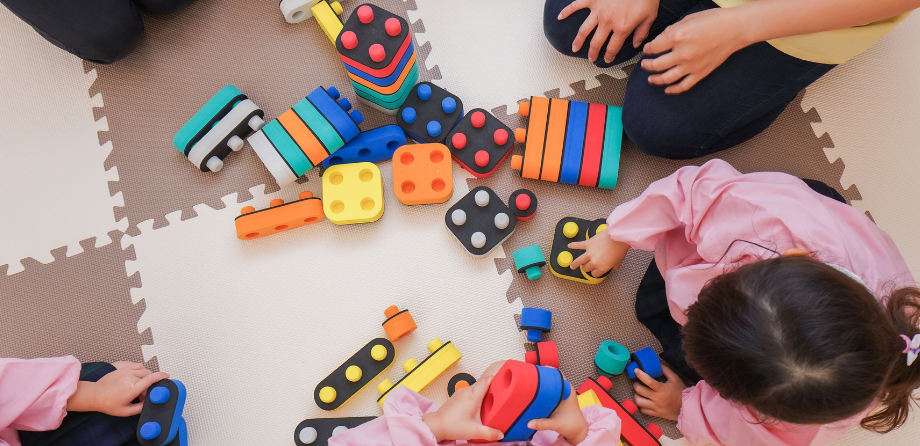
The 2025 Programme for International Student Assessment (Pisa) results have now been released. These are reported every three years and are taken from a sample of 15-year-old students across multiple nations to assess their maths, science and reading skills. While science scores rose across England, Scotland and Wales, with the largest increase happening in England,… Continue reading PISA report: mixed picture across the UK for educational outcomes
Top tips: Celebrating difference

Every child is unique, and our differences are something to celebrate. Help children recognise and celebrate differences in positive ways, from hair and skin colour to languages, families, abilities, interests, cultures and traditions. Create an environment where children feel proud of who they are, see themselves reflected in their surroundings and learn to appreciate the… Continue reading Top tips: Celebrating difference
Early years activity: My hair and me

World Afro Day is a Global Day of Celebration and liberation for Afro hair. The day aims to challenge negative attitudes and help people understand and appreciate the diversity of Afro hair and identity. This my hair and me activity provides a wonderful opportunity to explore the idea that everyone’s hair is different, and every… Continue reading Early years activity: My hair and me
Celebrating 10 years of Millie’s Mark
A decade ago, Millie’s Trust partnered with NDNA to create Millie’s Mark,the gold standard for paediatric first aid (PFA). During September, we’re celebrating 10 years of Millie’s Mark and we hope you can be involved. Millie’s Mark day will take place on Thursday 24 September and we have created a range of activities below that… Continue reading Celebrating 10 years of Millie’s Mark
Top tips: Black History Month

Black history month arrives every October. What does it mean for educators working with under-fives? It means making sure every child sees themselves reflected in their environment and that difference is the interesting norm. October is a useful to prompt to check it’s happening throughout the year and these tips are to help you run… Continue reading Top tips: Black History Month
Early years activity: Carnival comes to nursery

The following activities are perfect for your celebration of Black history. Early preparations will ensure it’s well-planned, meaningful and understood by everyone. Children will have the opportunity to make instruments, feel the rhythm of the music and the pure joy of Black British carnival tradition. Carnival comes to nursery learning aims Resources you will need… Continue reading Early years activity: Carnival comes to nursery
Scottish Government’s plans for childcare announced
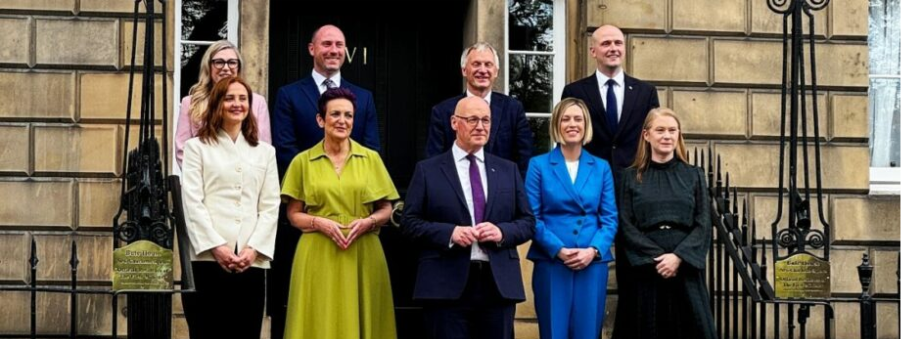
The Scottish Government has now published its Programme for Government, including an update on plans for childcare. The Programme for Government (PfG) 2026 to 2031 sets out the priorities Scottish Government would like to achieve by the next election in 2031 and how they are planning to achieve it. The key elements of the latest… Continue reading Scottish Government’s plans for childcare announced
Booming Demand, Shrinking Sector. The Real Story Behind Nursery Closures.

Written by: TradeBridge · Early Years Finance Demand for childcare has never been stronger. So why are nurseries still closing? The problem isn’t demand. It’s finance that doesn’t match how nurseries actually get paid. You already know the numbers because you’re living them. Government spending on the early years entitlement has nearly doubled in two… Continue reading Booming Demand, Shrinking Sector. The Real Story Behind Nursery Closures.
Top tips: Inclusive Physical Storytelling

Storytelling is a wonderful way to engage young children, and physical storytelling makes the experience even more meaningful. By combining movement, imagination and language, physical storytelling encourages children to become active participants as they bring a story to life. Use our top tips below to help ensure every child can take part, feel included and… Continue reading Top tips: Inclusive Physical Storytelling