


Every child is unique, and our differences are something to celebrate. Help children recognise and celebrate differences in positive ways, from hair and skin colour to languages, families, abilities, interests, cultures and traditions. Create an environment where children feel proud of who they are, see themselves reflected in their surroundings and learn to appreciate the… Continue reading Top tips: Celebrating difference
Blog Tag: Tips
Top tips: Black History Month

Black history month arrives every October. What does it mean for educators working with under-fives? It means making sure every child sees themselves reflected in their environment and that difference is the interesting norm. October is a useful to prompt to check it’s happening throughout the year and these tips are to help you run… Continue reading Top tips: Black History Month
Top tips: Inclusive Physical Storytelling

Storytelling is a wonderful way to engage young children, and physical storytelling makes the experience even more meaningful. By combining movement, imagination and language, physical storytelling encourages children to become active participants as they bring a story to life. Use our top tips below to help ensure every child can take part, feel included and… Continue reading Top tips: Inclusive Physical Storytelling
Top tips: Safety in play
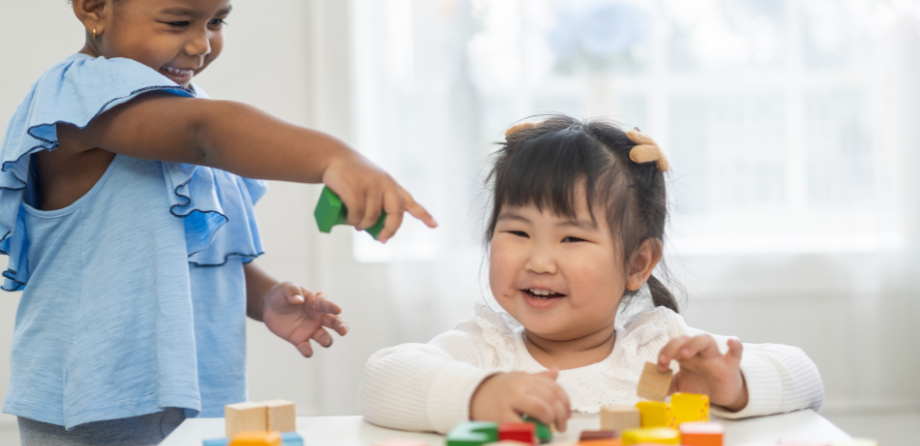
Providing a stimulating, safe environment enables children to explore, be curious and to learn and develop in an environment where the risk of harm is minimised. Review our top tips as part of your safety in play approach. Top tips for safety in play 1. Ensure appropriate supervision according to children’s age, stage of development… Continue reading Top tips: Safety in play
Top tips: Process over product

We often praise the finished picture, model or block tower, but it’s the thinking and the changing ideas that builds real creative confidence. When we focus on the process rather than the product, children learn that ideas are worth exploring and testing and above all, valued. When engaged in creative activities with the children, keep these top tips in mind: Top tips for process over product NDNA products… Continue reading Top tips: Process over product
Facilitating Child-Initiated Play

Child-initiated play is an essential part of early years practice, allowing children to explore, make choices, develop independence and follow their own interests. Practitioners play a key role in creating an environment where children feel confident to investigate, be creative and learn through meaningful experiences. Here are our top tips for facilitating effective, child initiated play. Child-initiated play top tips NDNA products… Continue reading Facilitating Child-Initiated Play
Top tips: Child safety – Promoting safety in the home

Children under the age of five are the group most at risk of accidents in the home. Our top tips will help you to promote the importance of creating a safe home environment with parents and families. Top tips for child safety – Promoting safety in the home RoSPA say the leading causes of home accidents for under-fives are falls, burns and… Continue reading Top tips: Child safety – Promoting safety in the home
Top tips: Managed risk taking

Children are naturally curious and have an instinctive desire to explore, investigate, climb, test boundaries and challenge themselves. Opportunities to take managed risks are an important part of children’s learning and development, helping them to build confidence, resilience, problem-solving skills, physical competence and an understanding of how to keep themselves safe. By providing children with opportunities to… Continue reading Top tips: Managed risk taking
Top tips: Inclusion starts here
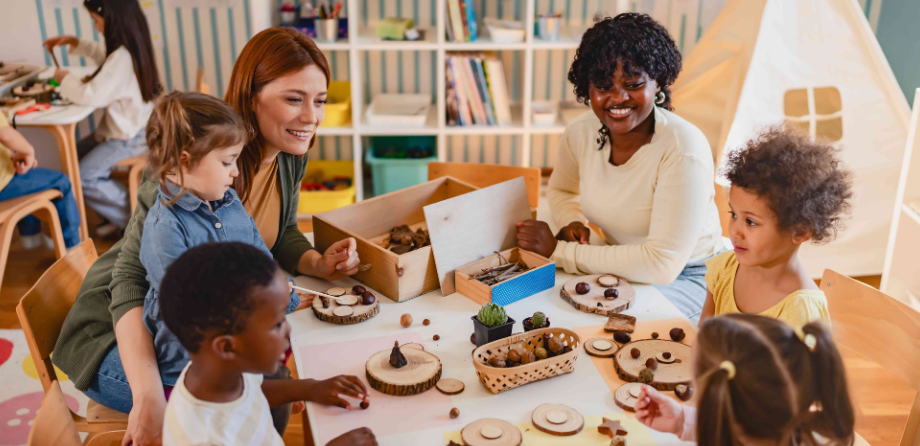
Creating a genuinely inclusive team doesn’t just happen. It requires nursery leaders to look honestly at the culture they are building, not only policies in the file, but the everyday moments that let each member of the team know they are valued and belong. The following tips are starting points for reflection and action. Top tips for inclusion starts here NDNA products… Continue reading Top tips: Inclusion starts here
Top tips: Encouraging curiosity and why it matters

Curiosity is one of the most important skills children can develop. Curious children are more confident learners, better problem-solvers and more engaged with the world around them. When children ask questions, explore and investigate, they are building the foundations for lifelong learning. Use our top tips to ensure children are encouraged to be curious both… Continue reading Top tips: Encouraging curiosity and why it matters
Top tips: Free summer activity ideas for families

Summer can be a time when parents are looking for budget friendly ideas to entertain the family. Having fun doesn’t have to cost money, so why not create a list of fun, free activities for your families to enjoy, starting with the tips below. NDNA products to support you with this tip Early years parent partnerships: developing positive relationships with parents… Continue reading Top tips: Free summer activity ideas for families
Top tips: Movement matters

Movement comes naturally to young children – they climb, spin, jump and wriggle their way through the world long before they can put any of it into words. However, understanding that movement is good for their overall well-being is something children learn gradually, through experience and through the language and attitudes of the adults around them. As a nursery practitioner, you are uniquely placed to… Continue reading Top tips: Movement matters
Using visual aids and prompts – Early Years Tips

Visual aids and prompts are valuable tools within the early years environment, supporting young children to understand routines, build confidence and develop independence. By providing clear and consistent visual support, practitioners can create a more inclusive and enabling environment where children feel secure and able to engage fully in nursery life. Although visual aids are particularly beneficial for… Continue reading Using visual aids and prompts – Early Years Tips
Tip tips: Supporting parents with healthy eating at home
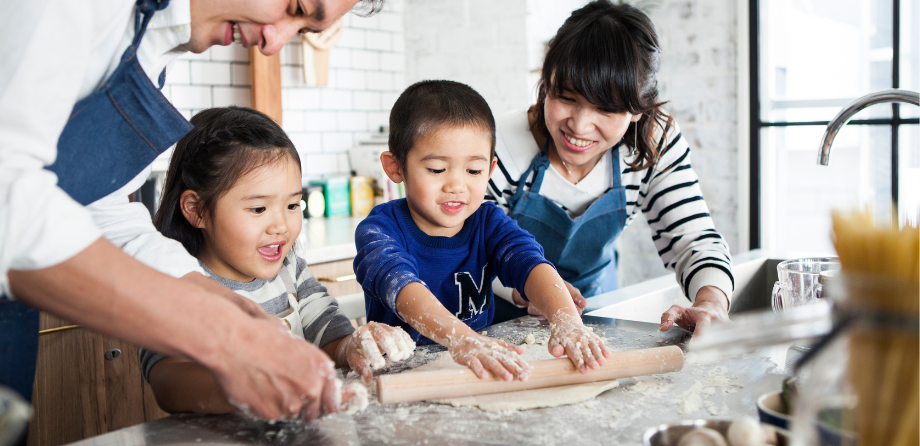
Supporting families with healthy eating is an important part of promoting children’s overall well-being. By building positive relationships and sharing simple, achievable strategies, you can help parents feel more confident in creating healthy eating habits at home that work for them and their children. Top tips for supporting parents with healthy eating at home NDNA… Continue reading Tip tips: Supporting parents with healthy eating at home
Top tips: Listening to and acting on the voice of the child

Providing meaningful opportunities for the voice of the child requires adults to genuinely listen, act upon what children are sharing and to teach children the power and importance of their own voice. Review our top tips below to assess your daily practice for including the voice of the child in your setting. Top tips for… Continue reading Top tips: Listening to and acting on the voice of the child
Top tips: Peer observations
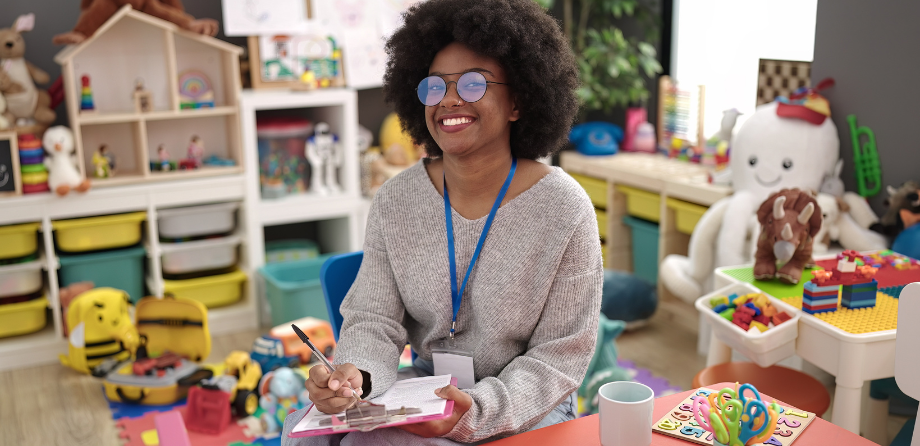
Peer observations are a valuable approach for developing a reflective and supportive culture that promotes high-quality practice. They provide opportunities for practitioners to learn from one another, share ideas and strengthen collaborative working. For leaders and managers, fostering the right environment is essential to ensure that peer observations are seen as purposeful and beneficial. When embedded effectively, they become… Continue reading Top tips: Peer observations
Top tips: Supporting parents with children’s dummy use

Dummies can be a helpful way to comfort and settle babies, especially in the early months. However, as children grow, it’s important to balance dummy use with lots of opportunities to talk, listen and interact. These tips will help staff to support parents to make confident, informed decisions about when and how to use a dummy and how to reduce reliance on… Continue reading Top tips: Supporting parents with children’s dummy use
Early years activity: Gardening Week – Supporting Communication and Language
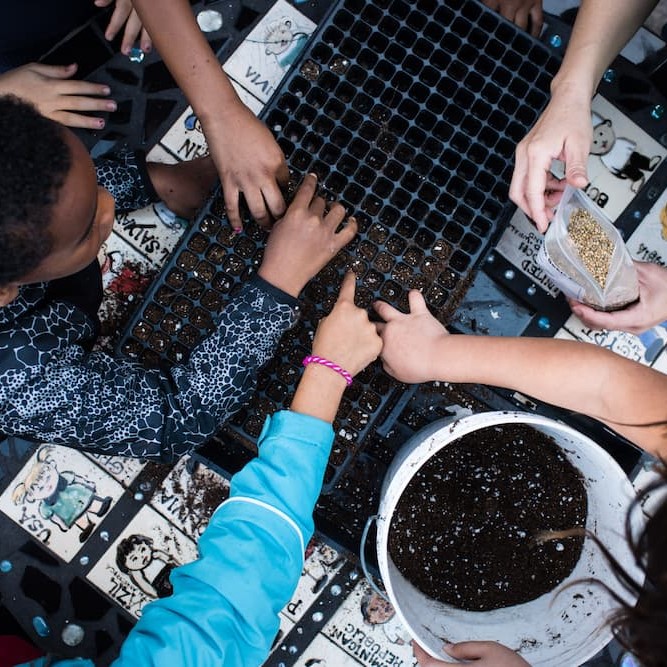
Gardening week is a wonderful opportunity to support children’s communication and language as they take part in a range of sensory activities in both the natural outdoor environment and indoor environments. Learning aims Resources Activity outline Extension ideas Create a small flower garden, either in pots or in a section of your outdoor space. Encourage children to take responsibility… Continue reading Early years activity: Gardening Week – Supporting Communication and Language
Top tips: Cultivating Curiosity through Gardening
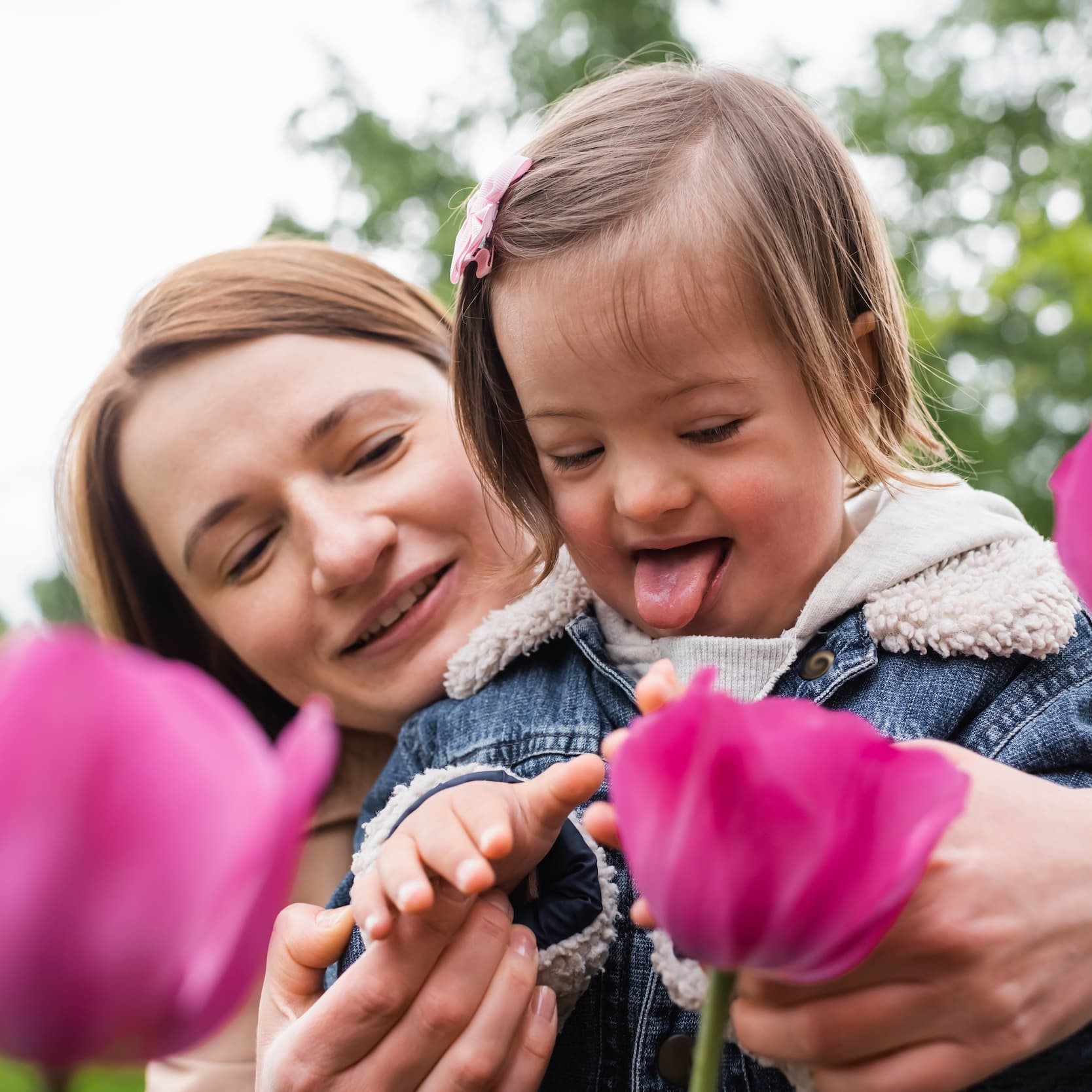
There are numerous benefits of involving children in gardening experiences, including access to the natural environment, sensory rich activities, working together, promoting curiosity and observing cause and effect. NDNA products to support you with this activity Disclaimer: Activities with children must always be risk assessed, including for allergies or choking. Children must always have… Continue reading Top tips: Cultivating Curiosity through Gardening
Top tips: Conducting productive team meetings

Effective team meetings are essential. Well-structured meetings help staff stay informed, feel valued and work together more efficiently. By making meetings purposeful and engaging, leaders can strengthen teamwork and improve daily practice. Top tips for conducting productive team meetings NDNA products to support you with this tip Supporting Well-being in the Early Years Workforce – Online course Effective Leadership and… Continue reading Top tips: Conducting productive team meetings