of 29

Early years activity: Sensory sounds space

Outdoor play provides children with opportunities to use their energy as they run, climb, play, and explore. To support the body's natural rhythm of activity and rest, the outdoor environment should also include quiet spaces where children can relax, recharge, reflect, and observe the natural world, enjoying peaceful moments that promote their emotional well-being and self-regulation.  

Read more
Sensory sounds space

Top tips: Managed risk taking 

Opportunities to take managed risks are an important part of children's learning and development, helping them to build confidence, resilience, problem-solving skills, physical competence and an understanding of how to keep themselves safe. 

Read more

Top tips: Inclusion starts here

Creating a genuinely inclusive team doesn’t just happen. It requires nursery leaders to look honestly at the culture they are building, not only policies in the file, but the everyday moments that let each member of the team know they are valued and belong. The following tips are starting points for reflection and action.

Read more
Inclusion starts here

Early years activity: Look what I can do

This July, we mark Disability Pride Month with a simple, sensory printing activity using paint and paper. Children make prints with their hands, feet, elbows, fingers, fists, feet, knees, choosing for themselves how their body meets the page. The resulting display celebrates the fact that there is no single right way for a body to work and that every child’s way is worth celebrating. 

Read more
NDNA activity - look what I can do

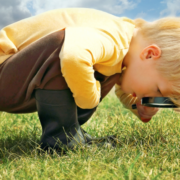
Minibeast and bug discovery early years activity

In this activity, children will become little explorers as they go on a minibeast and bug discovery adventure. Using magnifying glasses, they can closely observe the creatures they discover, encouraging curiosity, careful observation and early scientific thinking. The activity also helps children develop an appreciation of the natural world and promotes respect and care for living things. 

Read more
of 29