

Early years activity: Caring for our planet
This sensory play activity provides young children with a hands-on opportunity to explore caring for the environment. Through imaginative play, children are introduced to the idea that oceans can become polluted and that they can help to make a difference. The activity encourages curiosity, cooperation and early awareness of looking after the world around them in a simple and engaging way.
Caring for our planet learning aims
- Children will begin to understand that some things can make oceans polluted (dirty)
- Explore ways to care for the environment through simple actions
- Use their senses to explore materials and describe what they notice.
Resources you will need for this activity
- A large tray, tub or water table
- Water (plus blue food colouring, optional)
- Small ‘rubbish’ items (clean plastic, foil, bottle caps, bits of paper, etc.)
- Toy sea animals (fish, turtles, etc.)
- Scoops, spoons or small nets
- Sponges or cups.
Caring for our planet activity outline
- Begin by preparing a large tray, water table or shallow container with water. Place a selection of clean ‘rubbish’ items into the water, such as plastic bottles, foil, bottle tops and small pieces of paper; add some toy sea animals
- Gather the children around the activity and introduce the experience by explaining that the ocean has become dirty (introduce the word polluted). Use simple, engaging language such as, “Oh no, the ocean is full of rubbish. The sea animals need our help to clean it.”
- Encourage the children to begin by freely exploring the water. They may wish to splash, touch and move the objects around
- Begin to guide the children towards the idea of cleaning the ocean. Model simple actions such as using a scoop or net to remove pieces of rubbish, placing them into a separate container. Describe the play using clear language, for example, “You are helping to take the rubbish out,” or “Let’s help the fish by making the water clean.” Some children may focus on transporting objects, while others may show interest in rescuing and washing the sea animals. You can extend the play by encouraging children to use sponges or cups to gently wash the animals, reinforcing the idea of care
- Throughout the activity, reinforce key messages, such as “Rubbish in the ocean is not good” and “We can help to keep the ocean clean”
- Finish the activity by acknowledging the children’s efforts. For example, “You have helped clean the ocean. The animals are happy now”
- Revisit the idea of keeping our environment clean in everyday life.
How to extend this activity
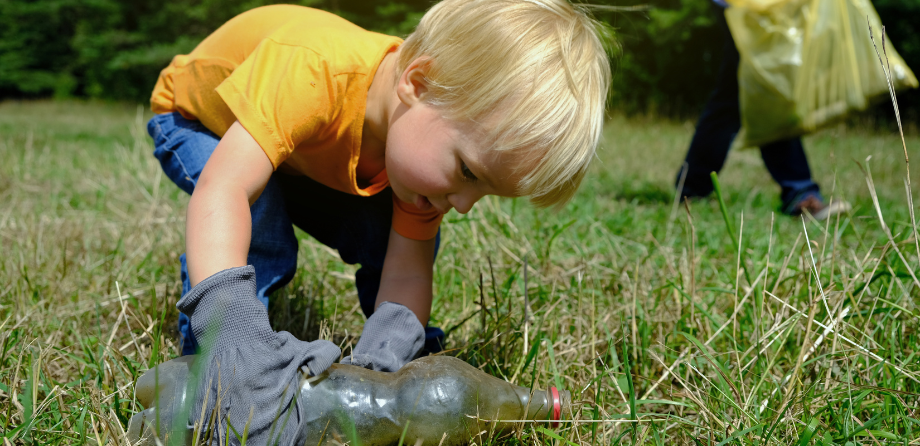
Carry out litter pick around the nursery/local community, providing suitable litter pickers or gloves for the children. Risk assess the area prior to your visit. Compare keeping the local area clean with the ocean activity and promote using litter bins or taking litter home when they are out with their family.
NDNA products to support you with this activity
Quality outdoor provision training – Face to face training
Sensory skills – Online training
Disclaimer: Activities with children must always be risk assessed, including for allergies or choking. Children must always have adequate supervision. Resources and materials must always be appropriate for children’s age and stage of development.
- Activity
- MyNDNA

