
Early years activity: Comparing natural objects
Maths can be found in every aspect of nature and it provides endless opportunities for children to explore mathematical concepts. This activity will look at making comparisons between natural objects found in nature.
Comparing natural objects activity learning aims
- Explore mathematical concepts
- Begin to use mathematical language to describe objects
- Explore maths in nature.
Resources you will need for this activity
- Camera (optional).
Comparing natural objects activity outline
- The outdoors offers unique opportunities for comparison and alongside this, sustained shared thinking to support children’s knowledge and understanding
- Take children on a nature walk and point out the opportunities for recognising maths in what you see, for example, point out patterns on shells, leaves, petals, spider’s webs, minibeasts or tree trunks (vertical and horizontal views)
- Ask children to compare a range of items you find, such as different types of leaves, different lengths and widths of pine cones, tree trunks or petals on flowers. Compare colours, heights, width, weight, textures, the way things move, or the sounds they make when the wind blows
- Ask simple questions such as:
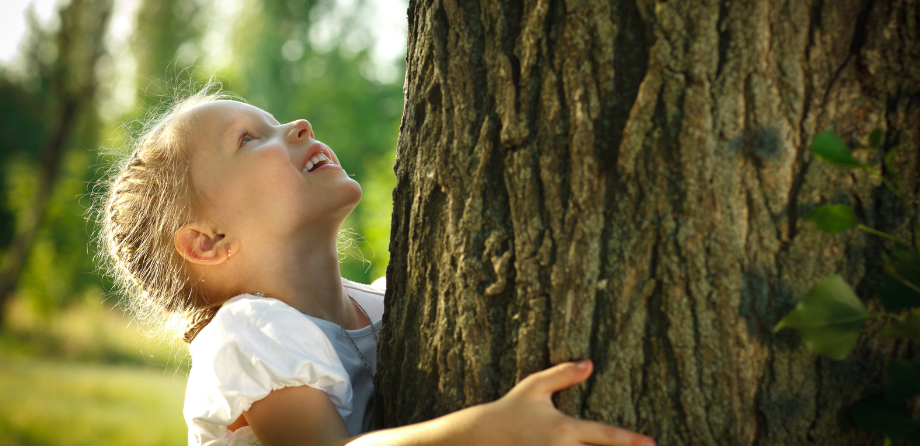
- “Which tree trunk is the widest?” – test this out by encouraging children to wrap their arms around the trunks – how many children does it take to get around the trunk?
- “Which flower has the most petals? Are the petals the same shape?”
- “What do the leaves smell like? Do they smell the same?”
- Give children time to explore the comparisons and determine outcomes. Take a camera and encourage children to take photographs of the different comparisons you make
- Use the images to make your own ‘comparisons’ book and put it on display so children can access the book and talk about the comparisons they made.
How to extend this activity
Use the sun to ignite children’s curiosity about comparison. They could measure and mark out how tall their shadows are first thing in the morning and compare this to what their shadows look like at midday.
NDNA products to support you with this activity
NDNA Maths Champions programme
Making Maths Matters – Online course
Mini Maths Explorers – Online course
Disclaimer: Activities with children must always be risk assessed, including for allergies or choking. Children must always have adequate supervision. Resources and materials must always be appropriate for children’s age and stage of development.
- Activity
- MyNDNA
Similar Articles
Early years activity: Diwali celebrations

Top tips: Fire safety during celebrations
