of 30

Early years activity: Exploring our amazing planet with loose parts

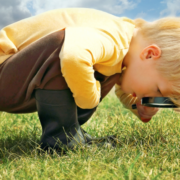
Children are naturally curious about the world around them, and open-ended play with loose parts provides endless opportunities for exploration, creativity and discovery. Our planet is full of fascinating environments, from lush rainforests and sandy deserts to icy polar regions and rocky coastlines.

Read more

Top tips: Process over product

We often praise the finished picture, model or block tower, but it’s the thinking and the changing ideas that builds real creative confidence. When we focus on the process rather than the product, children learn that ideas are worth exploring and testing and above all, valued. When engaged in creative activities with the children, keep these top tips in mind:

Read more
Process over product

Early years activity: Making it up as we go

Here’s a creative activity that firmly puts process before product. Children explore loose parts and recyclables with only their curiosity and freedom to change their minds and no fixed outcome expected. 

Read more
Making it up as we go

Early years activity: Beanbag play

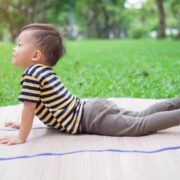
Physical activity is an essential part of children's development, helping to build strength, coordination, balance and confidence while promoting a healthy lifestyle. These simple beanbag activities encourage active play through fun, engaging experiences.  

Read more

Facilitating Child-Initiated Play 

Child-initiated play is an essential part of early years practice, allowing children to explore, make choices, develop independence and follow their own interests. Practitioners play a key role in creating an environment where children feel confident to investigate, be creative and learn through meaningful experiences. Here are our top tips for facilitating effective, child initiated play.

Read more

Early years activity: Sensory sounds space

Outdoor play provides children with opportunities to use their energy as they run, climb, play, and explore. To support the body's natural rhythm of activity and rest, the outdoor environment should also include quiet spaces where children can relax, recharge, reflect, and observe the natural world, enjoying peaceful moments that promote their emotional well-being and self-regulation.  

Read more
Sensory sounds space
of 30