

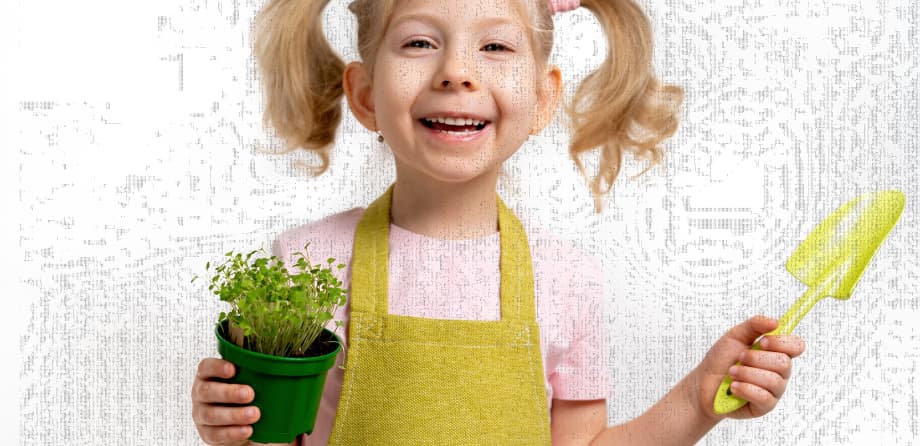
Early years activity: Little Gardeners – Cress Caterpillars
Bring a little nature indoors with this fun and simple Cress Caterpillars activity. Children will love creating their own cheerful caterpillar while exploring how plants grow and change. As they care for their cress each day, they’ll observe tiny seeds transform into fresh green shoots, building curiosity, responsibility and a sense of achievement along the way.
Little Gardeners – Cress Caterpillars learning aims
- Understanding how plants grow
- Developing responsibility through daily watering
- Building patience while waiting for change
- Encouraging descriptive language (tall, green, sprouting, soft).
Resources you will need for this activity
- Empty egg boxes/small yoghurt pots
- Cotton wool or tissue
- Cress seeds
- Water spray bottle
- Googly eyes
- Glue
- Markers or paint
- Tray or shallow container.
Little Gardeners – Cress Caterpillars activity outline
- Prepare the caterpillar body: Line up 3–5 egg box compartments or pots in a row to create a caterpillar shape (if using pots, stick them together underneath)
- Add the ‘soil’: Fill each pot with damp cotton wool or tissue
- Sprinkle the seeds: Invite the children to sprinkle cress seeds on top. Encourage gentle hands and careful pinching to support fine motor development
- Water and wait: Lightly spray with water. Place the caterpillar somewhere bright (but not in direct sunlight). Keep the cotton wool damp each day
- Decorate: Add googly eyes to the first pot to create a face. Draw smiles, patterns or colourful designs
- Observe the growth: Within a few days, green shoots will begin to grow! Talk about what plants need to grow — water, light and care. .
How to extend this activity
- Make an observation chart for children to draw, or add notes of the changes they observe
- Use the cress in a cooking activity – perhaps egg and cress sandwiches.
NDNA products to support you with this activity
Quality Teaching in Early Years – Online course
Disclaimer: Activities with children must always be risk assessed, including for allergies or choking. Children must always have adequate supervision. Resources and materials must always be appropriate for children’s age and stage of development.
- Activity
- MyNDNA
Similar Articles
Top tips: Ensuring staff know and understand your policies
On average, early years settings have over 100 policies in place that set out the setting’s practice. Polices are underpinned by legislation…
Read more 
Early years activity: Number rhyme time
Developing confident mathematicians with a positive attitude and interest in maths starts in a child’s earliest…
Read more