

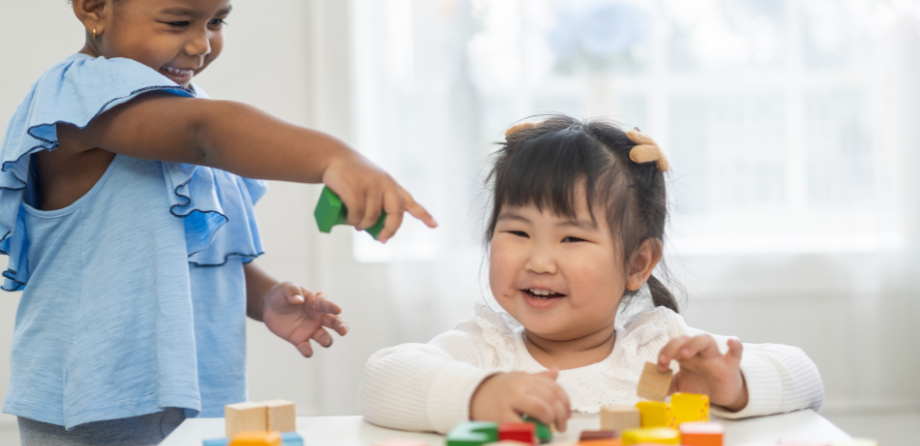
Top tips: Safety in play
Providing a stimulating, safe environment enables children to explore, be curious and to learn and develop in an environment where the risk of harm is minimised. Review our top tips as part of your safety in play approach.
Top tips for safety in play
1. Ensure appropriate supervision according to children’s age, stage of development and their individual needs
2. Carry out risk assessments for the environment and resources children have access to
3. Review resources regularly to ensure they are appropriate for the age and stage of development of the children using them, and in a safe condition. Remove toys that are damaged or unsafe for use. Check that resources meet the UK safety standards
4. Battery operated toys should be checked regularly to ensure batteries are secure, and supervision should be provided during use of battery-operated toys
5. Create regular hygiene procedures for cleaning the environment and resources
6. Discuss safety rules with the staff team and children to ensure a consistent approach to safety in the environment and when using the resources and exploring opportunities in the wider environment
7. Teach children safety rules for specific resources and activities
8. Encourage children to take appropriate managed risks in their play and learning, according to their individual stage of development and supported by the staff team.
NDNA products to support you with these top tips
Health and safety – online course
Disclaimer: Activities with children must always be risk assessed, including for allergies or choking. Children must always have adequate supervision. Resources and materials must always be appropriate for children’s age and stage of development.
- MyNDNA
- Tips
Similar Articles
Early years activity: Friendship circle

Tax Free Childcare: Helping Families and Supporting Nursery Sustainability in Wales
